Arthouse Action, by Christopher Derrick – Sympathy For The Devil #40 | @MDWorld
September 5, 2013 Chris Derrick 0 Comments
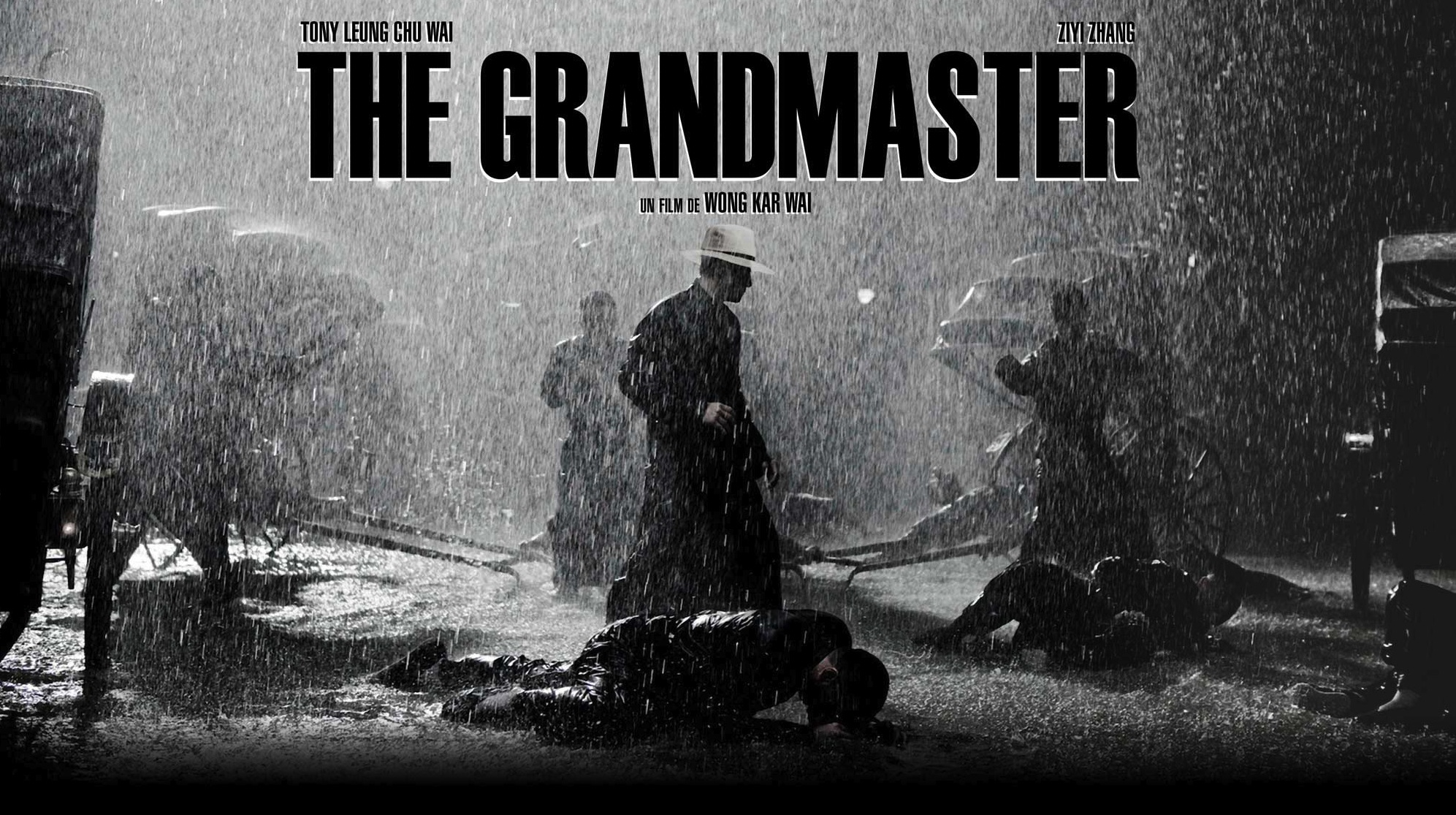 As a young cinema purveyor and nascent filmmaker, art house films (particularly foreign art house) had such a dynamic allure it boggled my mind that more and more people in the film industry did NOT watch or had NOT watched this type of cinema. As if art house somehow meant “impenetrable fugue cinema” that was far too clever for its own good and eschewed excitement and emotional engagement for introspective long takes of static shots and pretentious pseudo-intellectualism.
Okay, so some of it is that, but the cream of art house is revelatory in ways that mainstream cinema never is, and is expert in its use of the medium, again, in ways that mainstream cinema never is — so don’t hate ’cause these movies and their filmmakers challenge you to think about what you’re watching, and not be “emotion porn” that hits “all the right” beats and present an ending the way you anticipate after the first 10 minutes.
In the early 90s, a film from Hong Kong called CHUNGKING EXPRESS was unleashed upon cinema-goers. Wong Kar-Wai was the cinema magician responsible for this charming confection that had deeper resonance. This was before I had a chance to fall in love with Bergman, Fellini, Truffaut, Godard, Kurosawa and the rest.
The halcyon arthouse directors tinkered with the established cinematic language and generated their own visual grammar that spawned the powerful and visionary directors of the 70s, 80s and 90s… but by looking at films that come from music video and commercial directors, the work doesn’t have the same resonance (which is understandable, because commercials and music videos aren’t, by definition, meant to have lasting emotional and intellectual impact… they’re forms of marketing designed to get you to buy something, which might have a more lingering effect…yet is more than likely a piece of pop confection).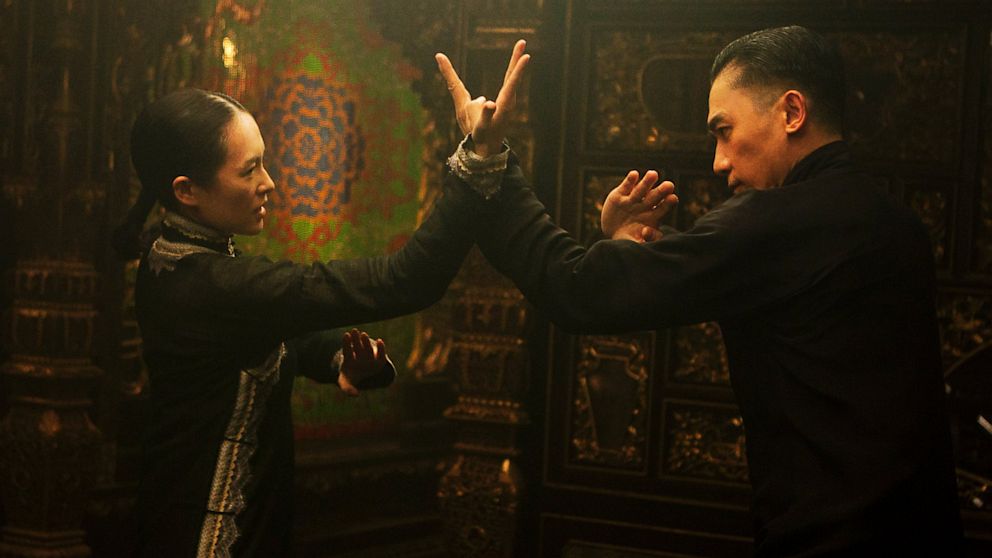
So it’s rare that filmmakers today get to be artists with a capital A, yet they do find a way. Over the years, I’ve patiently waited for each subsequent film from Hong Kong’s cinematic genius – FALLEN ANGELS, HAPPY TOGETHER, IN THE MOOD FOR LOVE, 2046, his segment in EROS (which is amazing) and his English-language debut in the BMW short film “The Follow” and then his English-language feature MY BLUEBERRY NIGHTS… in complete contradiction to my previous statement, though, WKW does support himself doing commercials and music videos (and shorts), but they’re unlike 95% of commercials and music videos… he spent 88 hours shooting his last liquor ad in India (and 6 months in post!).
Since CHUNGKING EXPRESS came out, there were many announced projects that never seemed to realize, but now he gives us another gift with THE GRANDMASTER… the tale of kung-fu master practitioner Ip Man, Bruce Lee’s teacher.
The story of Ip Man has been masterfully told in in the titular film; a masterwork in martial arts action of film… So the question remained, what is Wong going to bring to this story…?
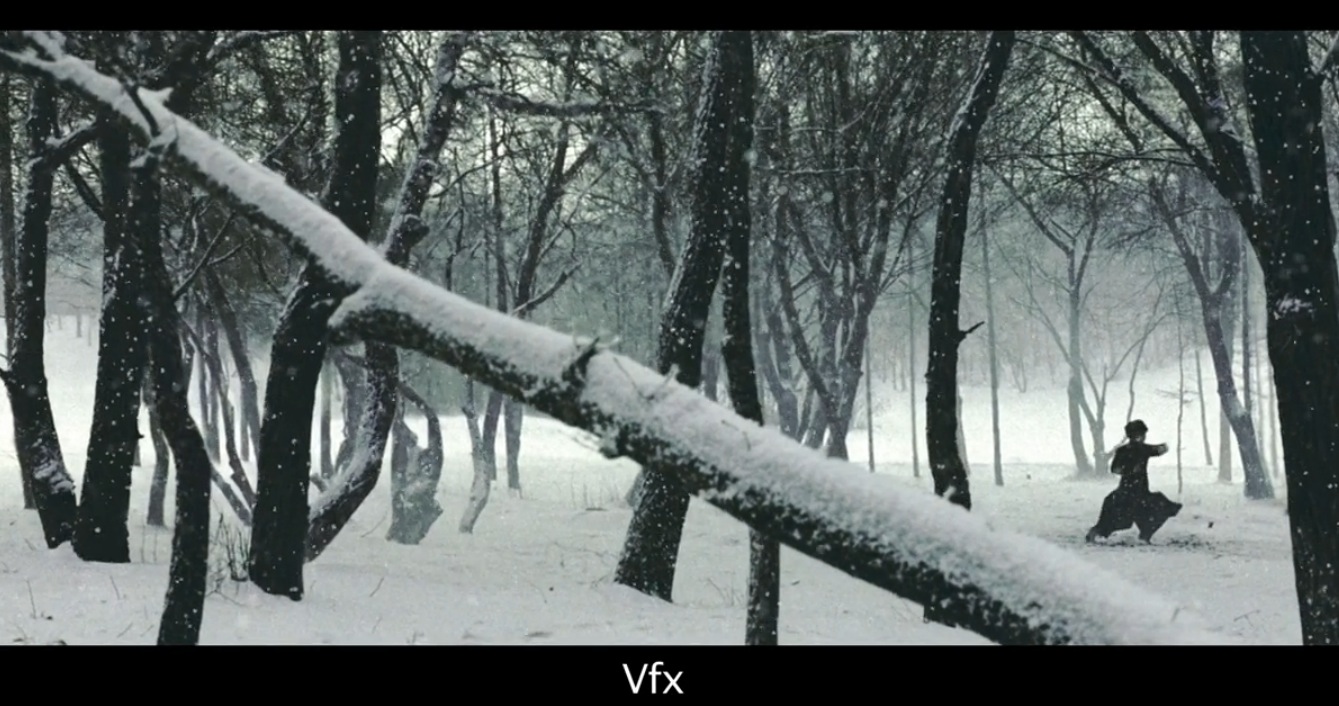 After seeing the film, I’ll say this… for WKW story and theme take a deep bow to pure cinematic poetry. While it might be billed as a “martial arts film” about Ip Man (i.e. chock full of action), nothing could be farther from that and many moviegoers will probably walk out of the theatre a little (or a lot) disgruntled. The traditional expectations of a kung-fu movie are NOT in play in THE GRANDMASTER… to expect them would be like picking up a true piece of literature and demanding it read like a John Grisham thriller.
If you’re not familiar with Wong’s work (IN THE MOOD FOR LOVE or 2046 being recent standouts), then you won’t have any idea that his voice and vision is inarguably one of the more unique in global cinema… and that will most certainly taint your experience.
However, the movie is simply beautiful and expertly walks the fine line between deliriously romantic in its filmic form and somewhat overwrought in its style and symbolism. Wong Kar Wai is more of a painter, an emoter, a dreamer, than a strict narrator. So some of the ideas that are inherent in the material might not be properly massaged to the surface (i.e. spoon fed to you), such as the passing of tradition, the modernization of China, as the second half of the film is certainly symbolic of Mao’s Cultural Revolution and how China had to leave a lot behind to catapult itself into the 20th century.
An interesting side note, Wong utilizes colorized 1950s Hong Kong newsreel footage to transition between the first part of the film — set before the Japanese invasion of China, just prior to WW2 — and the second part of the film in the early 50s; who would have thought colorized B&W footage could be used so eloquently?
THE GRANDMASTER is gorgeous and meditative, and its stars Ziyi Zhang and Tony Leung are fashioned in the old school movie star tradition that Hollywood used to be so good at generating. I can’t quite think of a tortured romantic pairing that works better than Zhang and Leung… Hats off to them for breathing such life into characters AND doing all that kung fu (their fight, in the context of the film, is one of the most impressive and delightful kung-fu fights I’ve seen).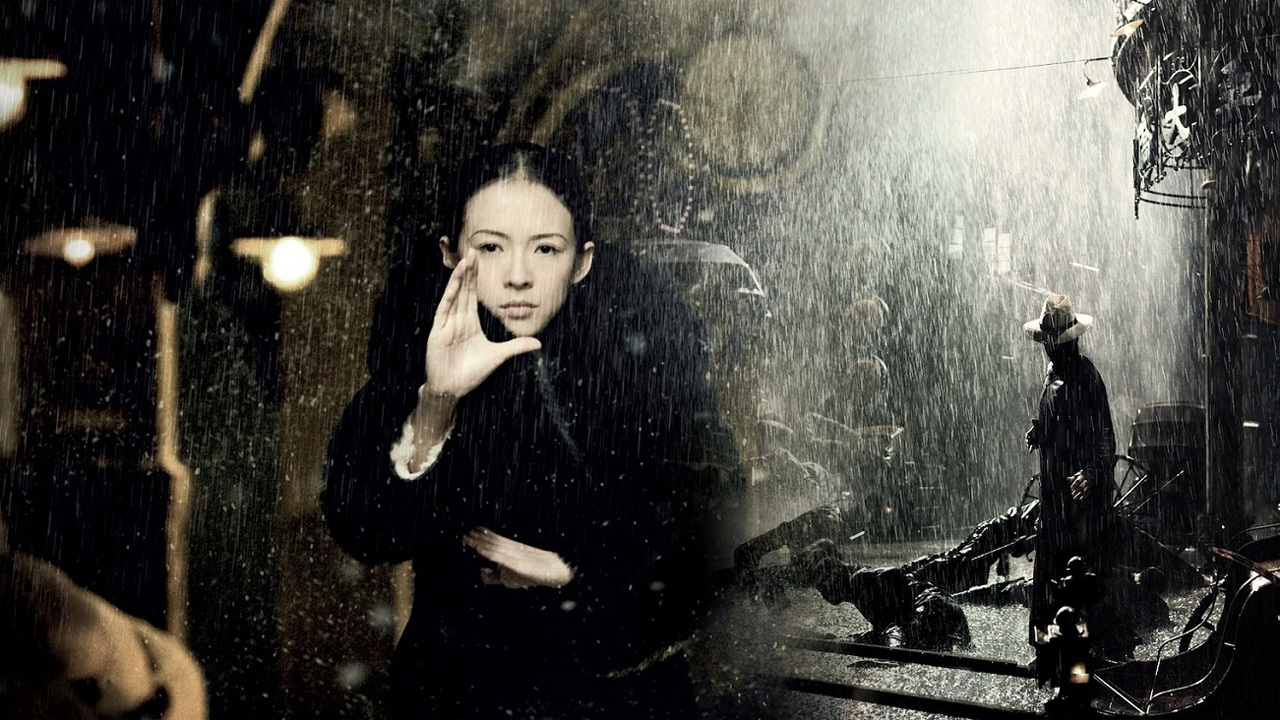
Wong and his collaborator (DP Philippe Le Sourd and Production/Costume Designer William Chang) make them look beyond beautiful and grandly believable in everything they do. As they do for the movie as a whole, and in actuality this is why you go see a Wong Kar Wai film… For the overwrought emotion, beautiful people, poetry in cinema.
Now, if you’re into for poetry in light, in motion, in emotion… Wong Kar Wai stands tall as one of the greatest filmmakers working the world right now. However, for many this won’t be enough (because story-extending imagination from the audience isn’t part of how we are used to experiencing movies), yet it’s still a gorgeous and impressive Faberge Egg of a film.